
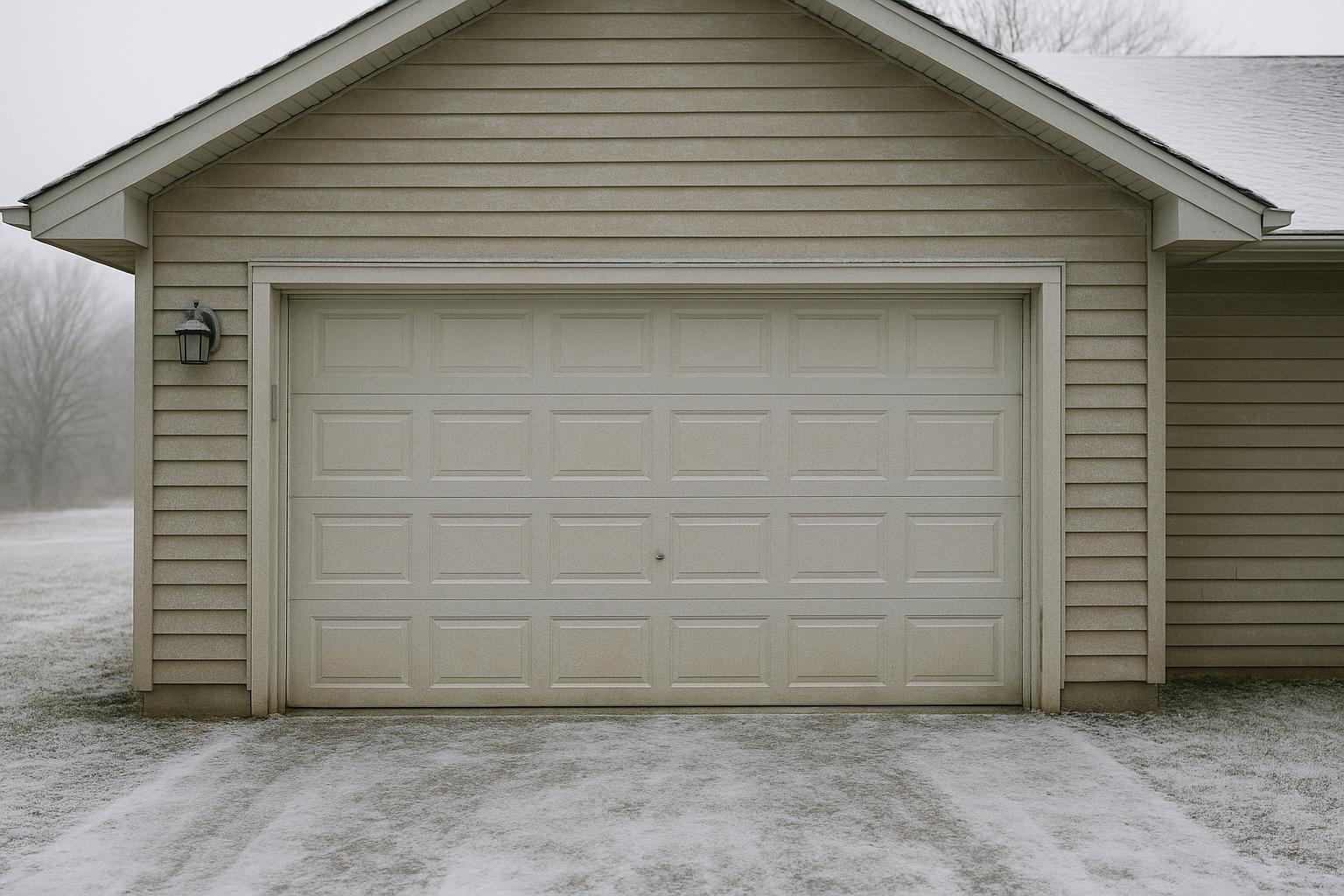
Winter and Your Garage Door: A Common Zanesville Problem
If you've lived in Zanesville for more than a year, you know our winters can be unpredictable. One day it's 45 degrees, and the next morning you wake up to single digits with ice coating everything in sight. And that's exactly when your garage door decides it won't budge.
A garage door that refuses to open in cold weather isn't just an inconvenience — it can make you late for work, leave your car trapped inside, or even pose a safety concern if you can't access your home properly. The good news is that most cold-weather garage door problems have straightforward causes and solutions. Let's walk through the most common ones so you know what to look for and when to call a professional.
The Weatherstrip Is Frozen to the Ground
This is the single most common reason a garage door won't open during a Zanesville winter. The rubber weatherstrip along the bottom of your door is designed to create a seal against moisture, drafts, and pests. But when temperatures drop below freezing and moisture is present, that seal can literally freeze to the concrete floor of your garage or driveway.
When you press the button on your opener and the door doesn't move — or the opener strains and then stops — a frozen weatherstrip is often the culprit.
How to Fix It
- Never force the door open. Yanking on the door or repeatedly hitting the opener button can tear the weatherstrip, damage the bottom panel, or burn out your opener motor.
- Use warm water. Pour warm (not boiling) water along the base of the door where it meets the ground. This will gently melt the ice and free the seal.
- Apply a silicone-based lubricant. Once the door is free, spray a silicone lubricant along the bottom weatherstrip. This helps prevent water from bonding the rubber to the concrete in the future.
- Keep the area clear. Shovel snow and clear standing water away from the base of your garage door before temperatures drop overnight.
Thickened Lubricant on Moving Parts
Your garage door relies on a system of springs, rollers, hinges, and tracks to move smoothly. These components need lubrication to function properly, but standard lubricants can thicken or even harden in extreme cold. When that happens, the door may move sluggishly, make unusual resistance, or refuse to open altogether.
How to Fix It
- Switch to a lithium-based or silicone-based garage door lubricant, which performs much better in low temperatures than general-purpose oils or greases.
- Apply lubricant to the rollers, hinges, spring coils, and track edges before winter sets in. A quick maintenance visit in the fall can save you a lot of headaches in January.
Contracted Metal Components
Metal contracts when it gets cold — it's basic physics. The steel tracks, springs, and hardware on your garage door can shrink slightly in frigid temperatures. In most cases, this contraction is minor and doesn't cause problems. But if your door's components are already worn, slightly misaligned, or under extra tension, the cold can push things past the tipping point.
Springs are especially vulnerable. A garage door spring that's nearing the end of its lifespan may snap more easily in cold weather because the metal becomes more brittle. If your spring breaks, do not attempt to replace it yourself — this is a high-tension component that requires professional tools and training to handle safely.
Your Garage Door Opener Struggles in the Cold
Garage door openers are electromechanical devices, and cold weather can affect them in a few ways:
- Reduced power output. Some older openers lose efficiency in extreme cold, which means they may not generate enough force to lift a heavy door — especially if other factors like thickened lubricant are adding resistance.
- Sensitivity settings shift. Most modern openers have force and limit settings that tell the unit how hard to push and how far to travel. Temperature changes can cause subtle shifts that make the opener think the door is hitting an obstruction when it isn't.
- Dead remote batteries. Cold weather drains batteries faster. If your wall-mounted button works but your remote doesn't, try replacing the battery before assuming the worst.
What You Can Do
If your opener is straining or behaving erratically in the cold, start by checking the simple things: remote batteries, lubrication on the door's moving parts, and whether the weatherstrip is frozen. If none of those solve the problem, a technician can adjust your opener's settings or evaluate whether the unit needs repair or replacement.
Misaligned or Damaged Tracks
Ice, snow, and road salt can accumulate in and around your garage door tracks over the winter months. Debris in the tracks can prevent the rollers from moving freely, causing the door to stick, bind, or go off-track entirely. In some cases, ice buildup inside the track itself is enough to block the door's movement.
How to Prevent It
- Periodically wipe down the inside of the tracks with a clean cloth to remove moisture, salt, and grit.
- Check that the tracks are properly aligned and securely mounted. If you notice gaps between the track and the wall or visible bends in the metal, call a professional for realignment.
Preventive Maintenance Makes All the Difference
Most cold-weather garage door problems are preventable. A fall maintenance appointment — before the worst of winter arrives — can catch worn springs, dried-out lubricant, aging weatherstrips, and opener issues before they leave you stuck in your driveway on the coldest morning of the year.
Here's a quick pre-winter checklist for Zanesville homeowners:
- Inspect and replace cracked or brittle weatherstripping along the bottom and sides of the door.
- Lubricate all moving parts with a cold-rated silicone or lithium spray.
- Test the door's balance by disconnecting the opener and lifting the door manually halfway. It should stay in place. If it doesn't, your springs may need attention.
- Check the opener's force and limit settings.
- Clear debris from the tracks and the area around the base of the door.
- Replace remote batteries with fresh ones.
When to Call a Professional
Some cold-weather fixes are simple enough to handle on your own — pouring warm water on a frozen weatherstrip or swapping out a remote battery. But if your door still won't open after trying the basics, or if you suspect a broken spring, a failing opener, or track damage, it's time to bring in a professional.
At Zanesville Overhead Garage Door, we've helped homeowners and businesses across Muskingum County deal with every kind of winter garage door issue. We show up on time, diagnose the problem quickly, and get your door working again so you can get on with your day. Whether you need an emergency repair or want to schedule preventive maintenance before the next cold snap, give us a call — we're here to help.